
We Thank Businesss that Support Wildlife Conservation. Examples are:

Patagonia
- Patagonia is widely recognized for integrating environmental stewardship into its business model. The outdoor apparel company funds habitat protection projects, supports grassroots conservation organizations, and has committed substantial resources to preserving biodiversity. Through initiatives such as 1% for the Planet and direct investments in ecosystem restoration, Patagonia helps protect wildlife habitats worldwide. The company also advocates for public lands protection and sustainable supply chains that reduce pressure on natural ecosystems. Its efforts demonstrate how a major commercial enterprise can leverage its brand and profits to advance conservation goals while maintaining a successful business.

The North Face
- The North Face supports wildlife conservation through grants, partnerships, and sustainability initiatives. The company funds environmental organizations that work to preserve natural landscapes and biodiversity. Through its Explore Fund, The North Face has supported projects that reconnect people with nature while protecting critical ecosystems; the Fund is changing soon, with an interest in expanding their reach. Sustainable product development and efforts to reduce environmental impacts across its supply chain help minimize pressures on wildlife habitats. By promoting responsible outdoor recreation and conservation awareness, The North Face demonstrates how outdoor recreation companies can contribute to preserving the natural environments upon which both wildlife and their customers depend.

REI Co-op
- REI has long supported conservation through grants, advocacy, and partnerships with environmental organizations. The cooperative invests in habitat protection, public lands stewardship, and outdoor education programs. Many of its conservation efforts focus on maintaining healthy ecosystems that support wildlife populations while ensuring public access to nature. REI's business model encourages responsible outdoor recreation and environmental awareness among its members. By funding conservation projects and promoting sustainable practices, REI helps protect forests, rivers, and grasslands that serve as essential habitat for numerous species across North America.

SafariBookings
- SafariBookings connects travelers with safari operators that contribute to wildlife conservation across Africa. Sustainable tourism generates revenue that helps fund protected areas, anti-poaching programs, and local community conservation initiatives. By directing tourism spending toward responsible operators, the company indirectly supports conservation outcomes while creating economic incentives to maintain wildlife populations. Ecotourism businesses associated with SafariBookings often work closely with parks and communities to balance tourism development with biodiversity protection. The platform highlights the important role that nature-based tourism can play in conserving iconic wildlife species.
Wilderness Safaris
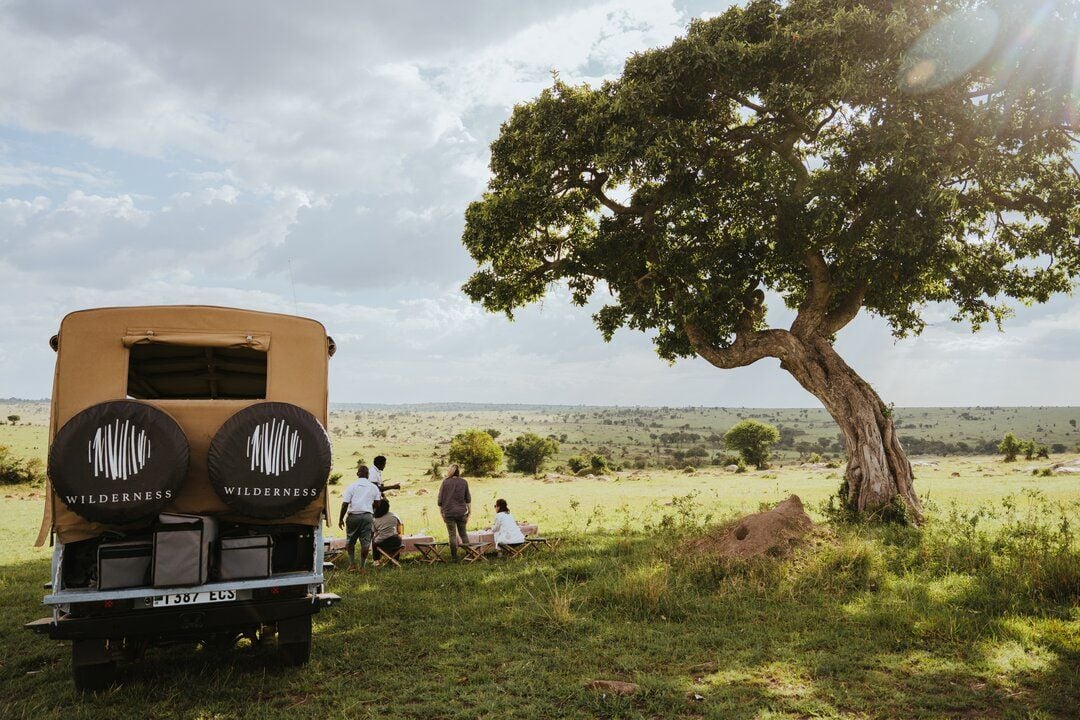
- Wilderness Safaris operates luxury ecotourism lodges throughout Africa and directly invests in wildlife conservation. The company helps protect millions of acres of habitat through conservation partnerships, anti-poaching efforts, and community engagement. Its business model depends on healthy wildlife populations and intact ecosystems, creating strong incentives for long-term stewardship. Conservation programs supported by Wilderness Safaris include species monitoring, habitat restoration, and environmental education. Revenue from tourism contributes to protecting landscapes that support elephants, lions, rhinos, and countless other species.
Lush Cosmetics
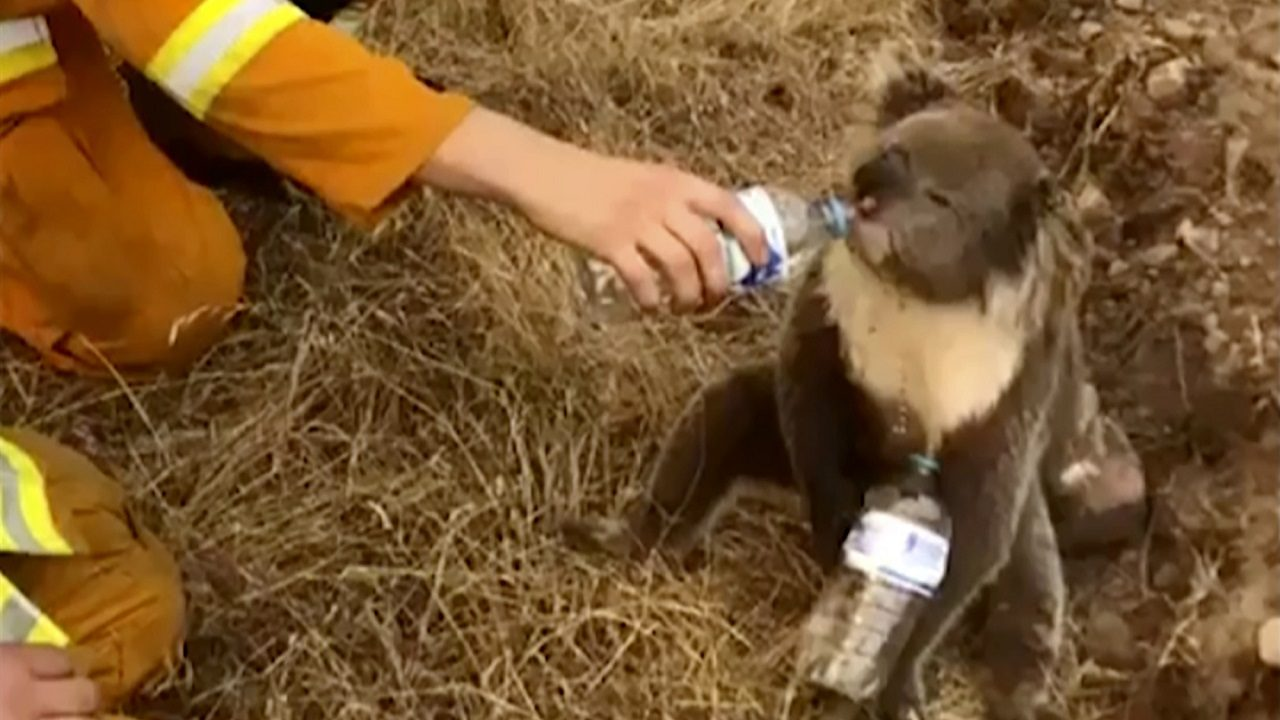
- Lush supports wildlife conservation through ethical sourcing, environmental campaigns, and direct funding for conservation organizations. The company's charitable programs have supported efforts to protect endangered species and preserve critical habitats worldwide. By emphasizing sustainable ingredients and reducing environmental impacts associated with production, Lush seeks to lessen pressures on biodiversity. The company frequently partners with grassroots organizations working on wildlife conservation issues and uses its marketing platform to raise public awareness about environmental threats.

Nespresso
- Nespresso has incorporated biodiversity conservation into its coffee sourcing programs. Working with farmers and conservation organizations, the company promotes agroforestry systems that support wildlife while maintaining coffee production. Shade-grown coffee landscapes can provide habitat for birds, insects, and other species. Nespresso's sustainability initiatives help improve ecosystem health, reduce deforestation risks, and encourage more wildlife-friendly agricultural practices. These efforts illustrate how agricultural supply chains can contribute to conservation while supporting rural livelihoods.

IKEA
- IKEA supports biodiversity conservation through sustainable forestry, responsible sourcing, and investments in habitat restoration. The company works to ensure wood products originate from responsibly managed forests that protect wildlife habitat and ecosystem services. Conservation commitments are integrated into broader sustainability goals focused on reducing environmental impacts. Through partnerships and landscape-level conservation initiatives, IKEA contributes to preserving forests that support diverse plant and animal communities while maintaining a reliable supply of renewable materials.

Interface
- Interface, a global flooring manufacturer, has become known for environmental innovation and ecosystem restoration efforts. The company has supported projects that restore coastal habitats and improve biodiversity. Through initiatives focused on reducing resource use and promoting regenerative practices, Interface seeks to minimize its ecological footprint. Partnerships with conservation groups help address habitat degradation while demonstrating how manufacturing companies can incorporate conservation objectives into corporate sustainability strategies.

Disney Conservation Fund
- The Disney Conservation Fund has supported wildlife conservation projects around the world for decades. Through grants to conservation organizations, the fund helps protect species, restore habitats, and engage local communities in conservation efforts. Support has reached thousands of projects benefiting wildlife from sea turtles to elephants. The initiative demonstrates how entertainment companies can use their resources and visibility to advance global conservation goals.

TUI Group
- TUI, one of the world's largest tourism companies, supports conservation through sustainable tourism initiatives and environmental partnerships. Programs focus on protecting biodiversity in destinations where tourism occurs. By promoting responsible travel and supporting conservation projects, TUI seeks to ensure that natural attractions remain viable for future generations. Conservation activities often include habitat restoration, species protection, and community engagement.

Puma
- Puma has incorporated biodiversity considerations into its sustainability strategy. The company works to reduce environmental impacts across its supply chain and supports initiatives that protect natural ecosystems. By evaluating environmental costs and promoting sustainable sourcing, Puma aims to lessen pressures on habitats that support wildlife. These efforts reflect growing recognition among global apparel companies that biodiversity conservation is essential for long-term sustainability.

Kering
- Kering, the luxury goods group behind several major brands, has become a leader in corporate biodiversity initiatives. The company has developed environmental accounting approaches that incorporate ecosystem impacts and support conservation investments. Efforts focus on sustainable sourcing, regenerative agriculture, and protecting natural capital. By recognizing the economic value of healthy ecosystems, Kering encourages conservation within global supply chains and luxury markets.
Natura &Co
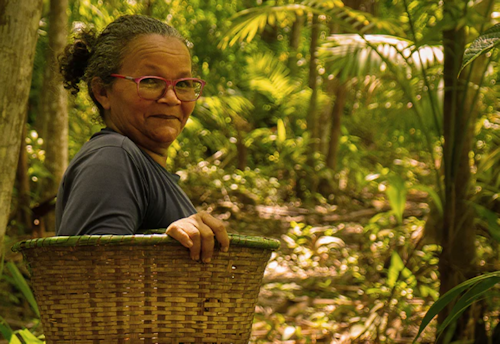
- Natura &Co sources ingredients from biodiverse ecosystems, particularly in South America, and has invested heavily in conservation-oriented supply chains. The company works with local communities to promote sustainable harvesting practices that protect forests and wildlife habitat. Conservation and economic development are linked through programs that reward stewardship of natural resources. Natura's approach highlights how biodiversity can become a valuable asset rather than a resource to be depleted.
Birds Caribbean Eco-Tours
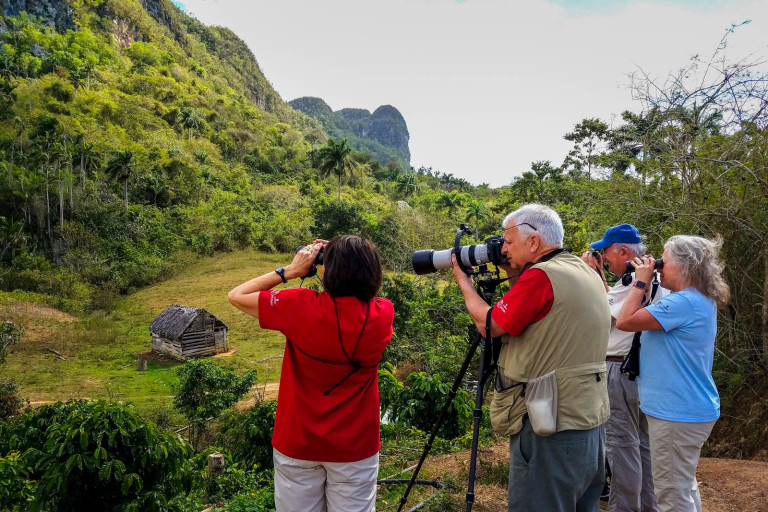
- Bird-focused ecotourism businesses contribute to conservation by creating economic incentives to protect habitat for residents and migratory bird species. Tours often support local conservation organizations and promote awareness of biodiversity issues. Birdwatching tourism has become an important conservation tool in many regions because intact ecosystems are essential to attracting visitors. Businesses such as Birds Caribbean Eco-tours demonstrate how wildlife itself can become a sustainable economic resource.

New Belgium Brewing
- New Belgium Brewing, a local favorite, has supported watershed protection and environmental stewardship initiatives relevant to biodiversity conservation. Healthy rivers and watersheds provide habitat for fish, amphibians, birds, and other wildlife. Through sustainability programs and community partnerships, the company promotes ecosystem health while reducing its environmental footprint. Conservation-oriented water management is particularly important for industries that depend directly on natural water resources.
Microsoft
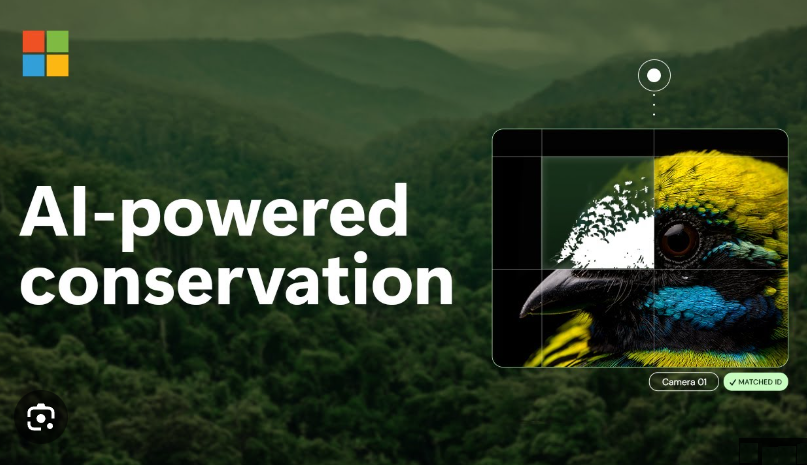
- Microsoft has expanded its environmental commitments to include biodiversity conservation and ecosystem restoration. The company supports projects involving habitat protection, reforestation, and environmental monitoring technologies. Advanced data tools and artificial intelligence can help conservationists track wildlife populations and manage protected areas more effectively. Microsoft's investments demonstrate how technology companies can contribute expertise and resources to global conservation efforts.

Salesforce
- Salesforce supports environmental initiatives through philanthropy, sustainability programs, and partnerships focused on ecosystem protection. The company has funded conservation projects and encouraged employee participation in habitat restoration activities. By integrating environmental responsibility into corporate operations and community engagement, Salesforce contributes to broader efforts to conserve biodiversity. Its work illustrates how service-sector companies can support conservation even when they are not directly dependent on natural resources.

Dr. Bronner's
- Dr. Bronner's has built its business around ethical sourcing and regenerative organic agriculture. The company works with farming communities around the world to support production systems that reduce environmental impacts while improving soil health and biodiversity. Regenerative agriculture often incorporates habitat features such as hedgerows, mixed cropping systems, and reduced chemical inputs, all of which can benefit wildlife. Dr. Bronner's also supports broader environmental and conservation initiatives through advocacy and philanthropy. Its approach demonstrates how consumer demand for sustainably produced goods can help promote more wildlife-friendly agricultural landscapes.

Tony's Chocolonely
- Tony's Chocolonely is best known for addressing social issues in cocoa production, but its sustainability efforts also support environmental conservation. The company promotes responsible cocoa farming practices that reduce pressure on tropical forests and encourage more sustainable land management. Forest conservation is especially important in cocoa-producing regions where habitat loss threatens biodiversity. By supporting farmers and improving supply-chain transparency, Tony's Chocolonely seeks to reduce incentives for destructive land conversion. The company illustrates how ethical sourcing can benefit both people and wildlife when environmental considerations are integrated into agricultural production.
Danone
- Danone has invested heavily in regenerative agriculture and sustainable land management practices. The company's environmental initiatives seek to improve soil health, protect water resources, and increase biodiversity across agricultural landscapes. Working with farmers and conservation partners, Danone promotes practices that reduce environmental impacts while maintaining productivity. Agricultural lands occupy vast areas of the planet, making them critically important for wildlife conservation. By encouraging habitat-friendly farming approaches and landscape stewardship, Danone contributes to broader efforts to make food production more compatible with biodiversity conservation.

Ben & Jerry's
- Ben & Jerry's has incorporated environmental sustainability into its sourcing and advocacy efforts. The company promotes more sustainable agricultural systems and supports policies intended to address environmental degradation and climate change. While wildlife conservation is not its sole focus, many of the company's environmental initiatives contribute indirectly to habitat protection and ecosystem resilience. Through public engagement campaigns and responsible sourcing efforts, Ben & Jerry's helps raise awareness about the environmental consequences of land-use decisions and agricultural production. The Ben & Jerry's Foundation has suspended work pending a judicial review challenging their corporate partner; we support their conservation efforts.

Traditional Medicinals
- Traditional Medicinals sources herbs and botanical ingredients through programs emphasizing sustainable agriculture and conservation. The company works with growers to encourage practices that maintain soil health, protect water resources, and conserve biodiversity. Many medicinal plants are collected or cultivated in regions where habitat conservation is closely tied to sustainable resource management. By supporting responsible sourcing and ecological stewardship, Traditional Medicinals contributes to the long-term sustainability of both agricultural production and wildlife habitat.
Yerba Madre
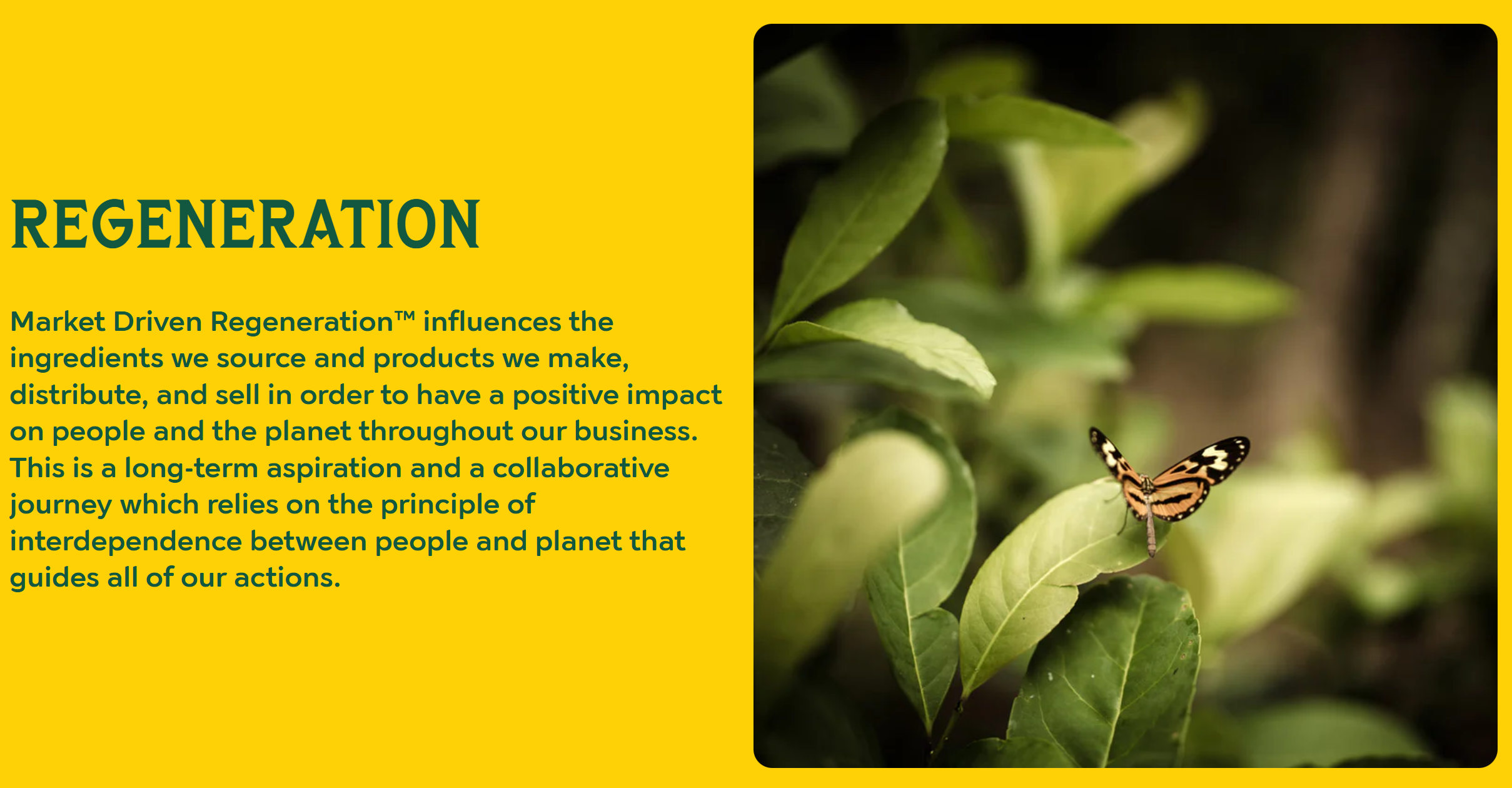
- Guayakí Yerba Matra, now Yerba Madre, has built its business around what it calls Market Driven Regeneration. The company sources yerba mate from South American forests using production systems designed to maintain native vegetation and biodiversity. By providing economic value for standing forests, Yerba Madra helps reduce pressure for deforestation and habitat conversion. Its sourcing model supports both conservation and local livelihoods. The company frequently highlights the connection between healthy ecosystems, wildlife conservation, and sustainable economic development, making it a widely cited example of regenerative business practices.

Organic Valley
- Organic Valley is a farmer-owned cooperative that promotes organic agricultural practices across North America. Organic systems often reduce pesticide use and encourage habitat features beneficial to wildlife, including pollinators, birds, and beneficial insects. The cooperative also supports conservation measures that improve soil health and water quality. Because farms occupy extensive portions of many landscapes, biodiversity-friendly agricultural practices can have substantial conservation impacts. Organic Valley demonstrates how agricultural producers can integrate food production and environmental stewardship.

Alter Eco
- Alter Eco sources ingredients such as cocoa and quinoa through programs emphasizing regenerative agriculture and ecosystem health. The company supports farming approaches designed to improve biodiversity, increase soil fertility, and reduce environmental impacts. By encouraging more sustainable production systems, Alter Eco helps create markets for products grown in ways that are compatible with conservation objectives. The company's efforts reflect a growing movement within the food industry to recognize biodiversity as an important component of agricultural sustainability.

Stora Enso
- Stora Enso is a major forest products company operating across Europe and beyond. The company incorporates biodiversity conservation into its forest management practices by maintaining habitat features, protecting sensitive areas, and supporting ecological connectivity. Sustainable forestry can play an important role in balancing economic production with wildlife conservation. Stora Enso's programs seek to conserve species associated with forest ecosystems while ensuring long-term productivity of forest resources. Its efforts illustrate how large landholders can contribute to biodiversity protection through science-based management practices.

UPM-Kymmene
- UPM manages large areas of forest and has developed biodiversity programs focused on habitat protection and ecological restoration. The company identifies important habitats, maintains conservation areas, and supports efforts to enhance species diversity within managed forests. Sustainable forestry practices can reduce pressures on wildlife while maintaining economic value from forest resources. UPM's work demonstrates how commercial forestry operations can integrate biodiversity considerations into everyday management decisions. The company's conservation initiatives contribute to broader efforts to preserve species associated with northern forest ecosystems.

Metsä Group
- Metsä Group has invested in programs designed to improve biodiversity within managed forests. These efforts include protecting valuable habitats, increasing structural diversity, and encouraging practices that benefit native species. Because forest management influences large areas of land, even small improvements in habitat quality can produce meaningful conservation outcomes. Metsä's work focuses on balancing timber production with the ecological requirements of wildlife. The company provides an example of how resource-based industries can incorporate biodiversity objectives into long-term planning.
Unilever
- Unilever sources agricultural commodities from around the world and therefore has a significant influence on land-use practices. The company has adopted policies aimed at reducing deforestation, improving sustainable sourcing, and protecting biodiversity. Through partnerships with producers and conservation organizations, Unilever works to encourage agricultural systems that maintain ecosystem services while supporting economic development. Because the company purchases large quantities of raw materials, even modest improvements in sourcing standards can generate substantial conservation benefits across global landscapes.

West Fraser
- West Fraser is one of North America's largest forest products companies and manages operations across extensive forested regions. Sustainable forestry practices employed by the company include habitat protection measures, environmental monitoring, and compliance with forest certification systems. Because managed forests often contain important wildlife habitat, conservation considerations are increasingly integrated into planning and operations. West Fraser's work illustrates how large forestry companies can contribute to biodiversity conservation while producing renewable materials needed by society.

Google Sustainability
- Google has developed mapping, artificial intelligence, and data-analysis tools that support conservation efforts worldwide. Environmental organizations use Google Earth Engine and related technologies to monitor deforestation, habitat change, wildfire impacts, and ecosystem health. Access to high-quality environmental data helps conservationists identify threats and evaluate management actions more effectively. Google also supports environmental initiatives through grants and partnerships. By making advanced analytical tools available to researchers and conservation organizations, the company contributes to more informed and effective biodiversity conservation strategies.

Bank of America
- Bank of America supports conservation through environmental philanthropy, sustainable finance initiatives, and investments in ecosystem restoration. Financial institutions play an increasingly important role in conservation because they help direct capital toward projects that protect natural resources and biodiversity. The bank has funded environmental programs involving habitat restoration, watershed protection, and conservation research. By incorporating environmental considerations into investment decisions and supporting conservation organizations, Bank of America demonstrates how the financial sector can contribute to biodiversity conservation.

HSBC
- HSBC has developed sustainable finance programs that support biodiversity conservation and ecosystem protection. The bank works with governments, businesses, and conservation organizations to encourage investments that reduce environmental degradation and promote sustainable development. As biodiversity becomes increasingly important to economic stability, financial institutions are expanding their role in supporting conservation outcomes. HSBC's efforts highlight the growing connection between environmental stewardship and long-term financial resilience. Through financing and partnerships, the company contributes to initiatives that protect habitats and ecosystem services.

Rabobank
- Rabobank focuses heavily on agriculture and food systems, making biodiversity conservation an important part of its sustainability strategy. The bank supports programs that encourage regenerative agriculture, habitat conservation, and sustainable land management. Through financing and technical support, Rabobank helps farmers adopt practices that improve ecosystem health while maintaining productivity. Because agricultural landscapes occupy large portions of the Earth's surface, improvements in farming practices can generate significant benefits for wildlife. The company's work demonstrates the important role that agricultural finance can play in promoting biodiversity conservation.

Wildlife Works
- Wildlife Works is one of the clearest examples of a business built directly around conservation. The company develops conservation projects that generate revenue while protecting wildlife habitat and supporting local communities. Its initiatives often focus on preserving forests and reducing habitat loss through market-based approaches. Wildlife Works works closely with communities to create economic opportunities linked to conservation, helping reduce pressures that threaten biodiversity. The company demonstrates how conservation itself can serve as the foundation of a sustainable business model.

Conservation Capital
- Conservation Capital specializes in developing business models that generate financial returns while supporting biodiversity conservation. The organization works on projects involving ecotourism, ecosystem services, habitat restoration, and sustainable land management. Its goal is to demonstrate that conservation and economic development can be mutually reinforcing rather than competing objectives. By helping conservation projects become financially sustainable, Conservation Capital contributes to long-term protection of habitats and wildlife populations. The organization illustrates the growing importance of conservation finance in addressing global biodiversity challenges.

Polar Bears and Coca Cola
- We reached out to Coca-Cola to encourage them to support polar bear conservation, given their popular advertising campaign featuring that species. But we have since learned that in 2012, Coca-Cola worked with the World Wildlife Fund to help fund polar bear research. A portion of sales from cans featuring the polar bear characters went to research, supporting more than $2 million in polar bear research. This is a wonderful example of a business supporting wildlife research through the World Wildlife Fund for Nature.
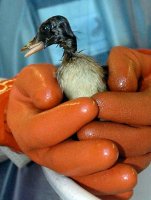
Proctor & Gamble
- Proctor & Gamble, the makers of Dawn dish washing liquid, have supported wildlife conservation for decades. Dawn is excellent at removing the oil that can contaminate birds during a spill, but still gentle enough to protect their feathers and eyes. When customers buy a bottle of Dawn and register online (here, for example), wildlife organizations receive support.